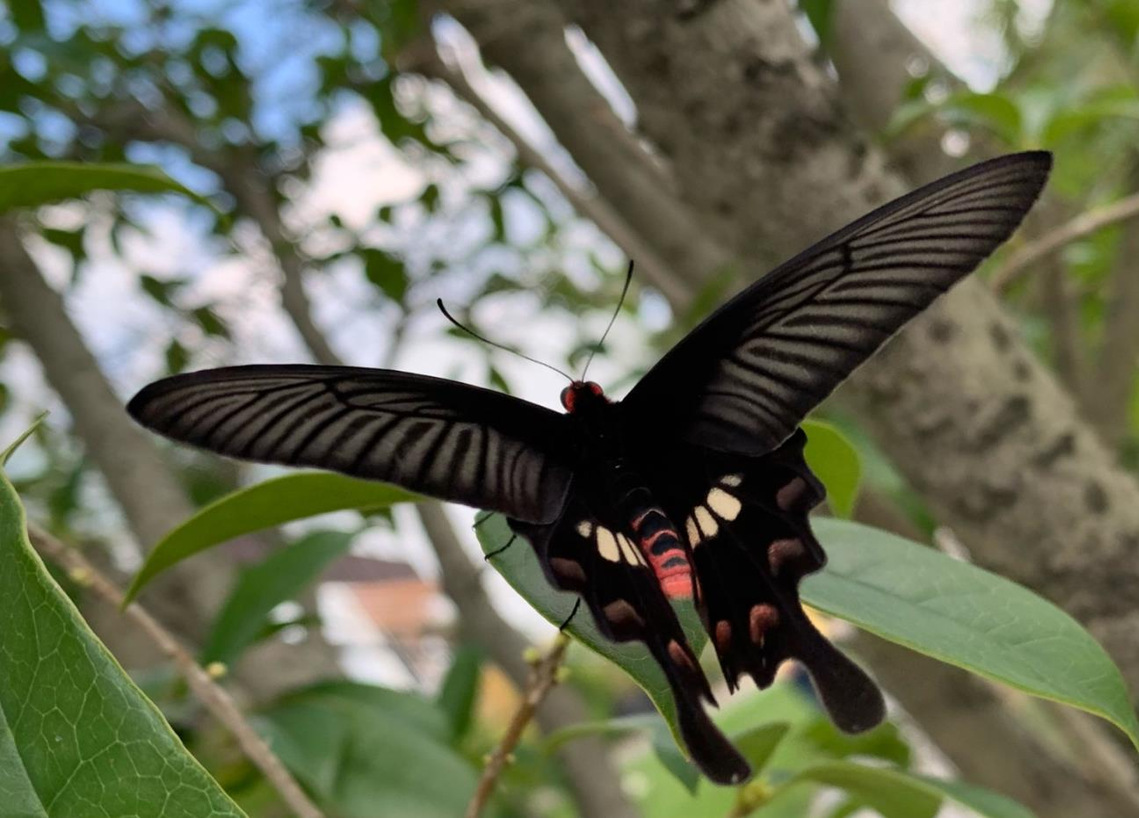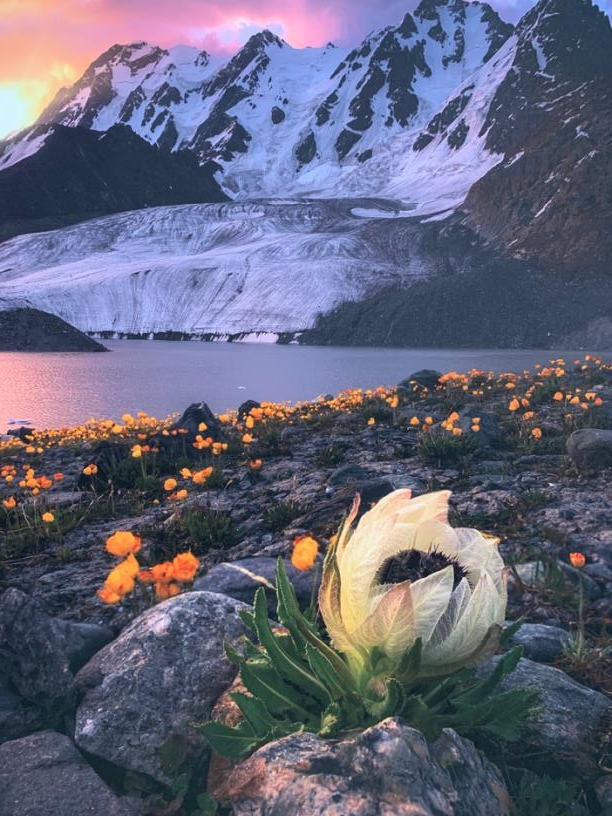
With a land area of approximately 9.6 million square kilometres, China contains a wealth of ecologically diverse natural environments, with many different habitats providing a home for an astonishing variety of different species of flora and fauna. Every year this biodiversity attracts scientists and nature enthusiasts alike from around the world, keen to explore, experience and discover this magnificent vitality first hand. The visual spectacle of China’s natural abundance was brilliantly curated in two illuminating photographic exhibitions that I visited here in Nanjing; the first, the National Geography’s, Extreme Discovery, Science and Art, held at the Phoenix International Book Mall, last year; and the second, a recent exhibition, earlier this year called Fantastic Animals, held at the Meet You Museum. For those, like myself, who enjoy visiting the scenic parts of Nanjing in search of wildlife, you’ll be aware you are most likely to encounter birds and butterflies; indeed, a recent dataset of birds distributed in zoogeographical regions of China calculated over 1,481 different species. There are also well over 1,900 species of butterflies and a significantly far greater estimated number of moths. In Nanjing, many places accessible by metro, bus or car can be visited, such as the city’s beautiful parks, lakes and mountains, where you will have a good chance of seeing these animals. Two particularly good locations to visit in my experience are the Lao Shan area and Xuan Wu Lake. Although you can see wildlife all year round, a great time to witness the splendour of China’s natural environments is during the spring and summer, where plants are in bloom, animals most active, and the birds in fine song. If you are interested in learning about the species you encounter, specialist books and online guides can help. Be sure to bring a pair of trusty binoculars (8x32 magnification), on your field trips as well to get a closer look at the animals you find!